A gunite pool is one of the most popular options for homeowners building a custom inground swimming pool. Known for their strength, flexibility in design, and long lifespan, gunite pools offer a level of customization that other pool types cannot match.
In this guide, we’ll explain what a gunite pool is, its benefits and costs, how gunite pool construction works, and what to consider when deciding whether a gunite pool is the right fit for your home.
What is a Gunite Pool?
A gunite pool is an inground swimming pool constructed using a concrete mixture that is sprayed using a high-pressure hose over a reinforced steel framework. Unlike pre-formed pool shells, gunite pools are built entirely on site, allowing for custom shapes, sizes, depths, and features.
The term “gunite” refers to the dry mix of cement and sand that is combined with water at the spray nozzle during application. Once sprayed, the material hardens into a dense, durable concrete structure. After curing, the pool is finished with a surface material such as plaster, pebble, or tile. Because gunite pools are built from the ground up and shaped on site, they allow for a high degree of design flexibility.
How Does Gunite Pool Construction Work?
Gunite pool construction involves a carefully sequenced process that combines engineering precision with skilled craftsmanship. While timelines vary based on design complexity, permitting, and weather, most gunite pools follow a similar construction path.
The typical gunite pool installation process includes:
- Design and planning: Finalizing the pool’s shape, depth, layout, and features, often using 3D renderings to visualize the finished space before applying for permits.
- Excavation and steel framework: Excavating the pool area and installing a reinforced steel rebar structure to form the pool’s structural backbone.
- Gunite application and curing: Spraying the gunite mixture over the steel framework to create the pool shell, then allowing it to cure properly for maximum strength.
- Plumbing, electrical, and equipment installation: Installing filtration systems, lighting, water features, and other mechanical components.
- Interior finish and final steps: Applying the interior surface, filling the pool with water, and completing final inspections.
Throughout the gunite pool installation process, careful attention is paid to structural integrity. Proper rebar placement, controlled gunite application, and adequate curing time are essential to creating a durable shell that resists cracking and shifting over time. Working with an experienced pool builder ensures that each phase is executed according to engineering standards and local requirements.
Benefits of Gunite Pools
For homeowners planning a long-term investment, gunite pools offer several key advantages, including:
- Exceptional durability and strength: With proper construction and care, gunite pools can last 50-100+ years.
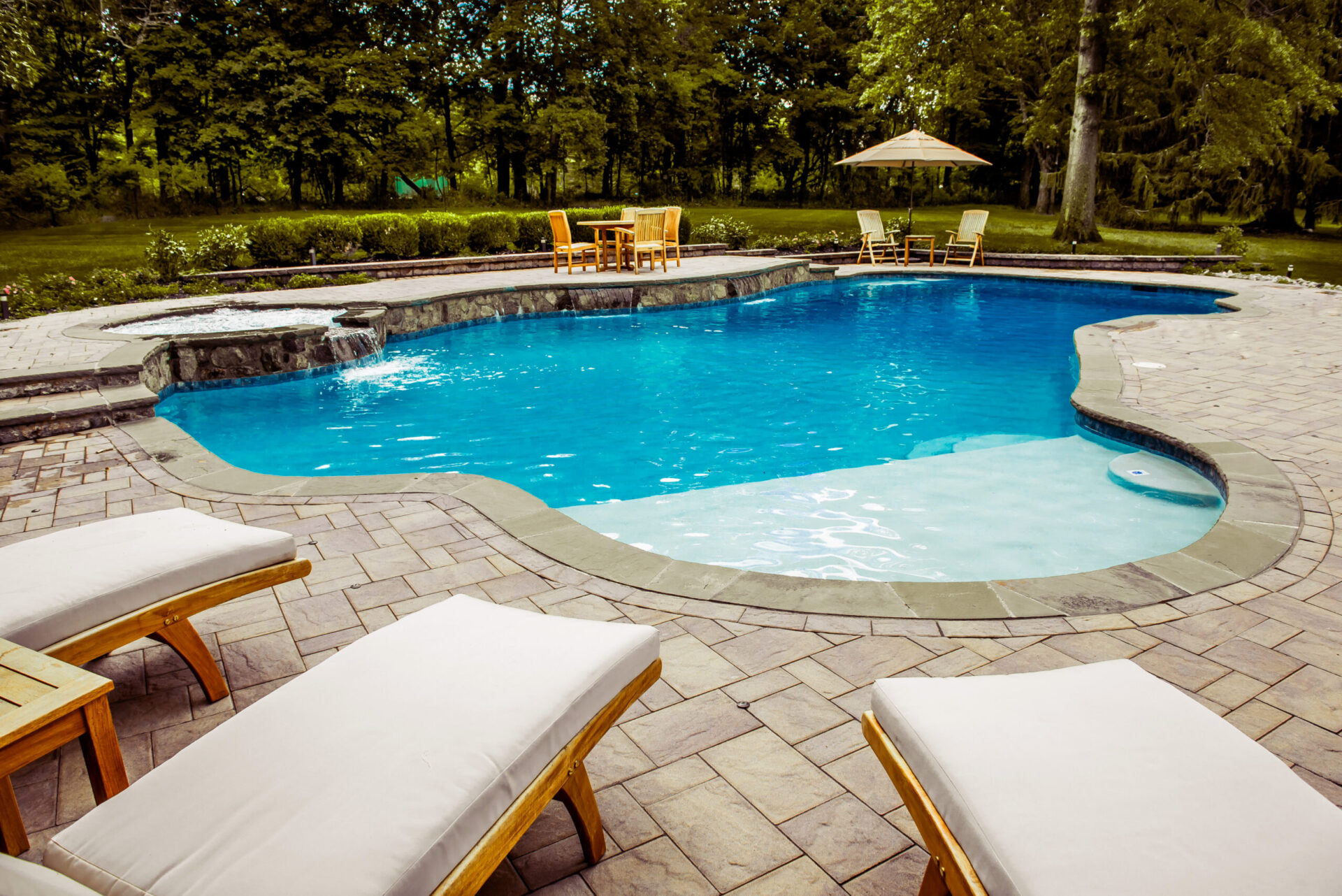
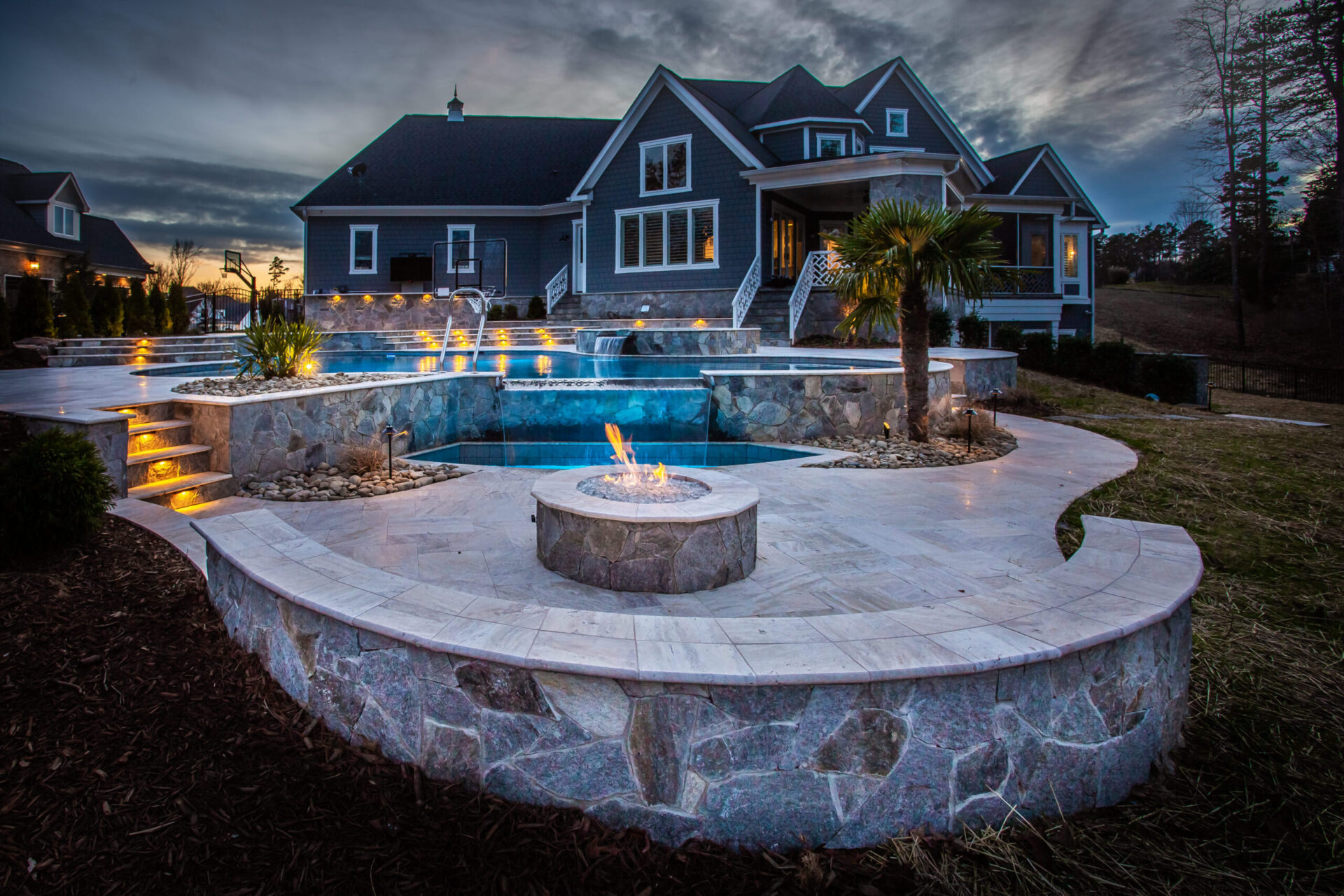
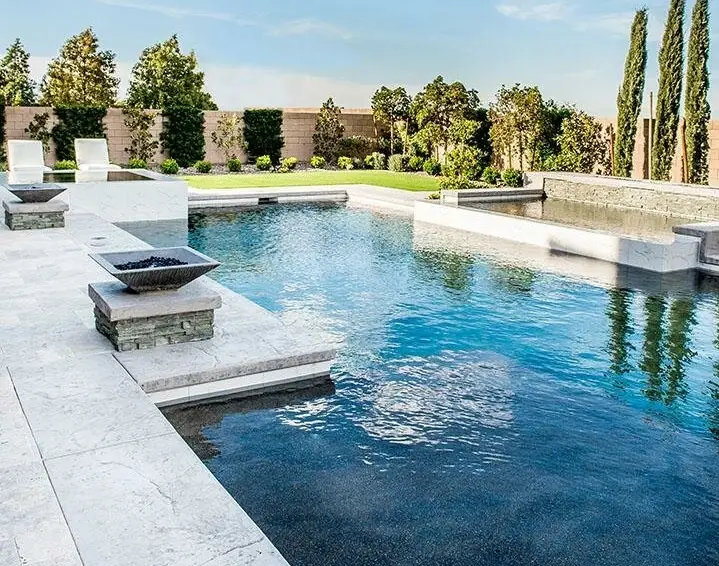
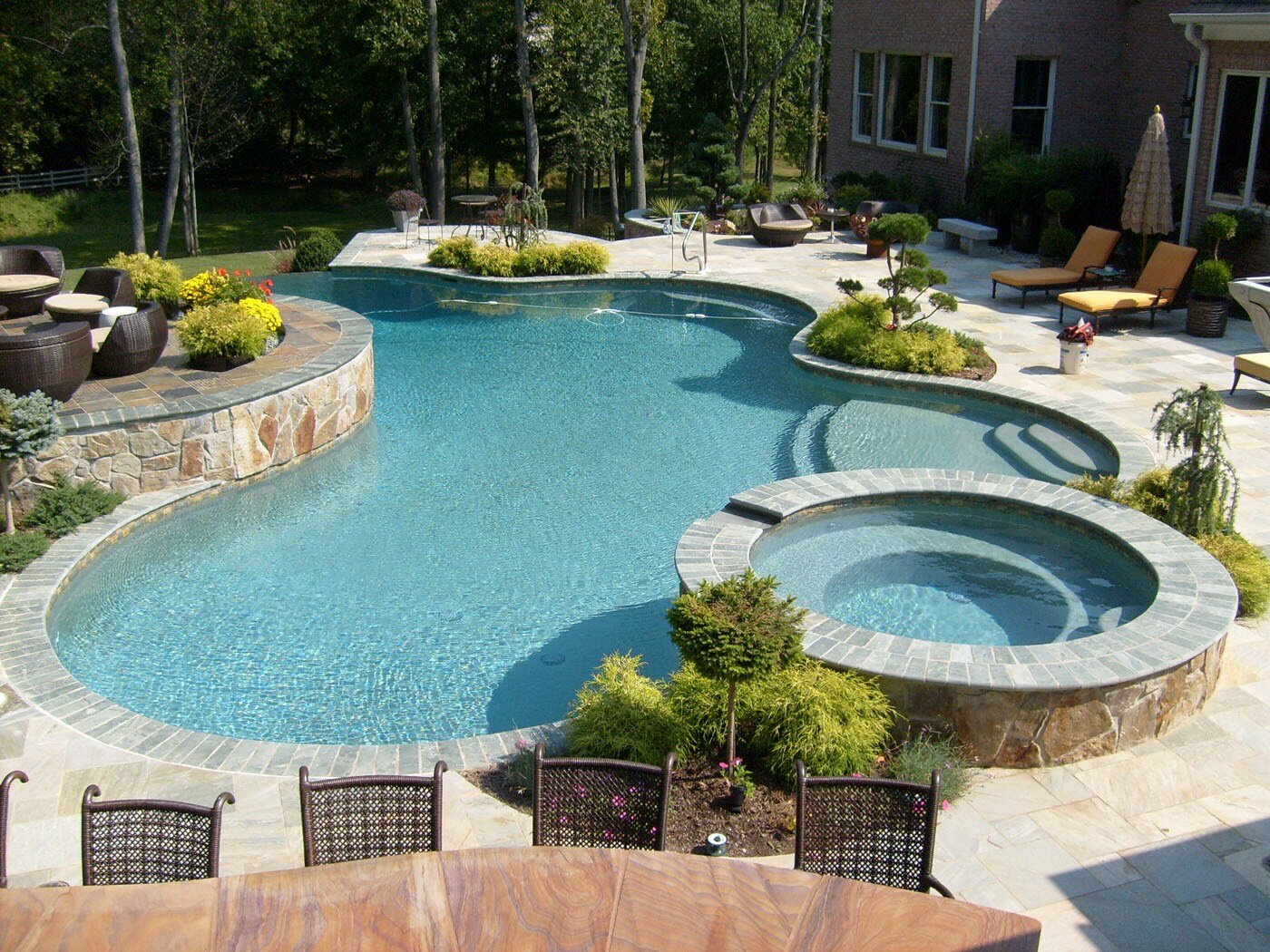
- Extensive customization: Homeowners can choose virtually any shape, size, or depth, along with custom elements like waterfalls, spas, lighting, fire features, and more.
- Aesthetics: Gunite pools are considered the most visually appealing options, especially due to their ability to incorporate intricate shapes and finishes.
- Suitability for any space: Gunite pools are custom-built for any space, which makes them more suitable for any space such as areas with a slope or complex layout.
How Much Do Gunite Pools Cost?
Gunite pool cost varies widely depending on several factors, including pool size, design complexity, features, interior finishes, and geographic location. On average, homeowners can expect a gunite pool to cost more upfront than fiberglass or vinyl options due to the labor-intensive construction process and customization involved.
In general, basic gunite pools can start around $40,000 (depending on location), while larger or more elaborate designs with custom features, spas, or premium finishes can exceed $120,000 or more.
Because no two gunite pools are exactly alike, the most accurate way to determine cost is to consult with an experienced pool builder who can provide an estimate based on your property and design goals.
What Maintenance do Gunite Pools Require?
Like all swimming pools, gunite pools require regular maintenance to keep the water clean and the structure performing at its best. Because a gunite pool features a durable concrete surface, it benefits from consistent water chemistry management and routine care to preserve its finish over time.
Ongoing maintenance includes monitoring water balance, cleaning the pool, and maintaining filtration equipment. Since gunite surfaces are naturally porous, maintaining proper chemical levels helps prevent algae growth and protects the integrity of the finish. Over time, most gunite pools are replastered every 8 to 20 years, depending on usage and finish selection.
Should You Build a Gunite Pool?
A gunite pool is often the right choice for homeowners who want to maximize customization and who value long-term durability. Because it’s built and shaped directly on site, gunite construction can accommodate challenging yard layouts, elevation changes, and highly customized design elements that pre-formed pool types cannot easily support.
When weighing your options, consider not only upfront cost but also how you intend to use the space over time. Homeowners planning for integrated spas, expansive tanning ledges, premium finishes, or distinctive architectural details typically benefit from the flexibility of gunite. A detailed consultation with an experienced pool designer can help determine whether this level of customization aligns with your budget, property conditions, and long-term plans.
Frequently Asked Questions (FAQ)
What is gunite made of?
Gunite is made from a dry mixture of cement and sand that is sprayed through a hose and combined with water at the nozzle. This process creates a strong, dense concrete material ideal for custom pool construction.
How long do gunite pools last?
With proper maintenance, gunite pools can last 50-100+ years. The structural shell is extremely durable, and periodic resurfacing helps extend the pool’s lifespan.
How long does it take to build a gunite pool?
Gunite pool construction typically takes 8-16 weeks from excavation to completion. Timelines vary based on design complexity, weather conditions, and local permitting requirements.
Design Your Ideal Gunite Pool with Anthony & Sylvan
For 80 years, Anthony & Sylvan has specialized in designing and building custom gunite pools tailored to each homeowner’s property, style, and long-term goals. Because every gunite pool is built on site, thoughtful design and engineering are critical from the start.
If you’re considering a gunite pool, the first step is a personalized design consultation. Explore your options, review custom concepts in 3D before construction begins, and receive a detailed estimate tailored to your space. The Anthony & Sylvan team guides homeowners through each step of the process, from initial consultation to construction and final details — ensuring the finished pool reflects both functional needs and aesthetic vision.
Schedule a free consultation today to begin designing a gunite pool tailored to your backyard and built to last.