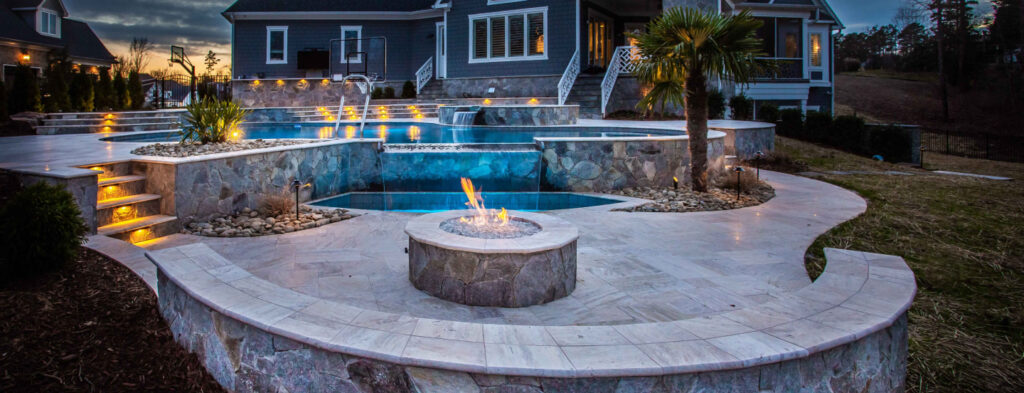
From design decisions to local conditions, several elements come into play when estimating the cost of your pool.
1. Pool Material
The type of material you choose directly affects the pool’s construction cost, durability, and future maintenance needs.
- Concrete Pools: Poured and finished onsite, concrete (gunite) pools allow for full customization in terms of shape, depth, and integrated features. These pools feature the highest upfront cost but are built for longevity, often lasting 50 to 100 years with routine maintenance.
- Fiberglass Pools: These pre-formed shells are lowered into place during installation and are generally priced similarly to concrete pools. They require minimal ongoing maintenance but offer less customization and have a shorter lifespan of 25 years.
- Vinyl Pools: Constructed with a steel or polymer frame and a flexible vinyl liner, these pools are typically the cheapest option upfront. However, liners need to be replaced approximately every 10 years and may require small repairs over time.
2. Size and Depth of the Pool
Pool size plays a big role in its overall cost. Larger pools naturally require more materials and labor, but depth can also influence pricing. Most inground pools measure between 14’×28’ and 20’×40’, with depths of 5 to 8 feet — but a larger or deeper pool will add to the cost. Your design preferences, available yard space, and how you plan to use the pool will all factor into what size makes the most sense.
3. Site Preparation
Before construction begins, your yard needs to be prepped — and the amount of work involved can impact your build cost. In Lancaster, some properties are flat and ready for excavation, while others may require grading, tree removal, or access accommodations for heavy equipment.
Soil composition, drainage needs, and the presence of underground utilities can also play a role in site prep complexity. Your Anthony & Sylvan designer will assess these conditions during your consultation and explain how they could affect your timeline and budget.
4. Pool Add-ons and Features
Enhancements like water features, lighting, and integrated spas can elevate the look and feel of your pool, but they also add to the total cost. Here are a few of the most popular add-ons for pools:
5. Utilities
Your pool features pumps, heaters, and lighting that require electricity to operate — which will add to your utility costs. The rate you’ll pay depends on your equipment’s power usage and the energy rates in your area. You’ll also need to cycle the water on a regular basis, though Anthony & Sylvan will cover the initial fill during construction.
6. Permits
Every new pool in Lancaster must comply with local zoning and safety regulations, which typically involve inspections and site-specific codes. Anthony & Sylvan takes care of the entire permitting process for you, from submitting applications to coordinating final approvals so that your pool is up to code.
7. Taxes
A new inground pool may boost your home’s value by 5–7%, which could result in higher property taxes. How much depends on your township and property’s assessment, so you should talk to a tax professional for a specific estimate.
8. Insurance
Insurance companies typically raise homeowner premiums by $50 per year when a new pool is added to cover the pool and liability protection for it. It’s a good idea to reach out to your provider early so you can see how much your insurance will go up and make necessary adjustments.
9. Maintenance
A well-maintained pool isn’t just safer, it also lasts longer and looks better season after season. In Lancaster, where freezing winters and warm, humid summers are the norm, you’ll want to plan for both year-round upkeep and seasonal services like opening and winterization. Professional maintenance services are available if you’d rather leave that to the experts.
| Type of Maintenance |
Frequency |
Average Cost |
| Cleaning and chemical balancing |
Weekly |
$80-200 per month |
| Drain and filter cleaning |
Every 3-6 months |
$60-125 per session |
| Opening/closing the pool |
Seasonally |
$250 -$400 per event |
Additional Maintenance by Pool Type
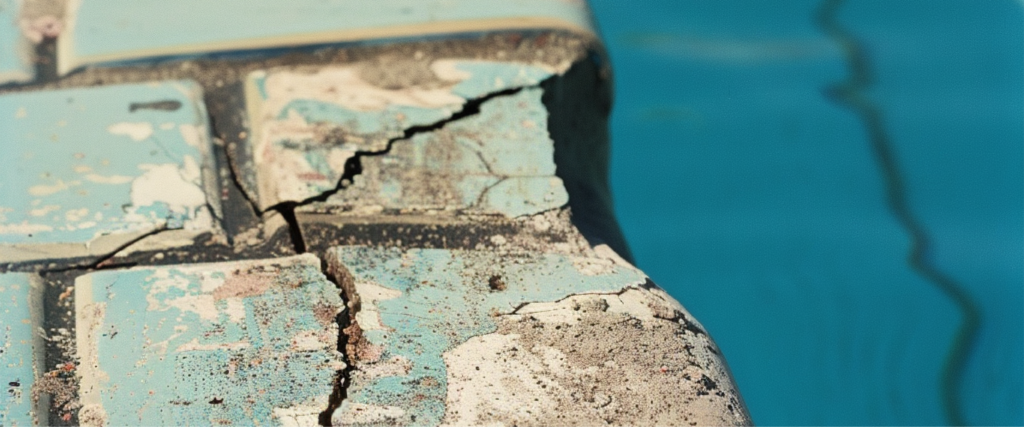
- Concrete Pools: Interior finishes generally need resurfacing every 10 to 20 years, depending on the material selected.
- Fiberglass Pools: Need occasional gel coat touch-ups to maintain the surface.
- Vinyl Pools: Liners usually need to be replaced every 10 years, with minor repairs in between.
A proactive maintenance routine can extend your pool’s lifespan and keep your water clean, safe, and swim-ready.